Powering Off-Grid Energy: PHNXX's Mission to Replace Diesel and the Challenge of Global Payments
The Melbourne-based renewable energy startup is taking its modular solar microgrids to the world. As they scale, their journey highlights the deep friction of cross-border payments and international supply chains.

PHNXX
Mission: Replacing diesel reliance with scalable, off-grid power globally.
A clean alternative to diesel, built for the world
PHNXX is an Australian startup on a mission to democratize clean, reliable, and decentralized power. By designing modular, off-grid solar and battery systems, essentially a "grid-in-a-box" housed in standard shipping containers. PHNXX provides an industrial-strength alternative to emissions-heavy diesel generators.
These systems can be deployed and operational within a single day, serving industries that operate beyond the reach of traditional power grids, ranging from regional dairy farms and remote mining camps to emergency response units.
For WeiChi and the team at PHNXX, the goal is simple but ambitious: deliver renewable power that is rapid, reliable, and responsible. Following a highly successful rollout across Australia, the company is scaling rapidly. However, operating a hardware-intensive business with global ambitions introduces a unique set of operational hurdles.
The unspoken complexity of a global hardware business
Bringing a physical product to market requires orchestrating a deeply complex, multi-national operation. PHNXX is headquartered in Melbourne, where all engineering design and quality management take place. To maintain flexibility and scale, however, their supply chain and manufacturing partnerships extend overseas, while their client base is increasingly international.
When hardware components are sourced globally, engineered locally, and sold internationally, the traditional banking system introduces severe friction.
Delayed settlements, high FX markups, and unpredictable intermediary fees actively eat into the margins of growing startups. Money gets tied up in inventory, manufacturing deposits, and shipping logistics long before a customer deployment is finalized. For hardware founders, the physical supply chain is often faster and more reliable than the financial infrastructure supporting it.
Expanding into the US with Paired Power
This cross-border financial friction becomes even more pronounced as companies scale into new markets. PHNXX is currently embarking on its most ambitious growth chapter yet: entering the United States.
The startup recently formed a strategic partnership with California-based Paired Power to launch the PairPHNXX; a modular, solar-powered microgrid specifically tailored for the North American market. By combining PHNXX’s innovative unfolding hardware with Paired Power’s intelligent energy management software, the partnership has established a strong foundation for the company in the US.
This expansion opens up massive opportunities across American agriculture, mining, and remote communities. But breaking into the US market also means handling significant capital inflows and outflows across borders. Relying on traditional banking rails for this expansion usually forces businesses to wait days for funds to clear, navigate banking cut-offs, and lose a percentage of every transaction to opaque exchange rates.
Modernising the financial supply chain
The operational reality for businesses like PHNXX highlights a critical gap in the market. Because the nature of physical manufacturing involves massive swings in cashflow, making every dollar count is essential.
A single international invoice can easily lose thousands in hidden bank fees and FX spreads before it even lands in an Australian account. When scaling a global physical product, capital cannot afford to be tied up in slow banking networks.
Homegrown global leaders need a payment infrastructure that moves as fast as they do, without the drag of traditional borders.
Ready to bypass the banks and speed up your cashflow?
If your business faces the same cross-border friction highlighted in this spotlight, FastStables lets you receive international payments and settle to AUD in minutes, with a transparent 0.25% fee.
WHY?
Your Money, Faster
Why add FastStables as a payment option for your business? Because speed, cost and control matter.
FastStables
0.25%
Minutes to settle to AUD, not days
24/7 Payment reception
Export ready data
Build and send invoices
Local human support
Best for businesses who need global payments to settle to AUD faster and for lower fees.
Traditional Banks
3-5%
1-3 Business days
Banking hours and cut-offs
Limited tracking
No native invoicing
Long phone queues for support
Best for legacy businesses and banking, at the cost of higher fees and wait times.
Digital Payments
1-4%
Same to next day possible
Online first
Dashboards and exports
Invoicing tools available
Support varies by tier
Best for multi-currency businesses at the cost of higher fees.
Get AUD to Your Bank in 3 Simple Steps
Receive stablecoins from clients globally, convert to AUD, and settle directly to your Australian bank account — all within one simple workflow.
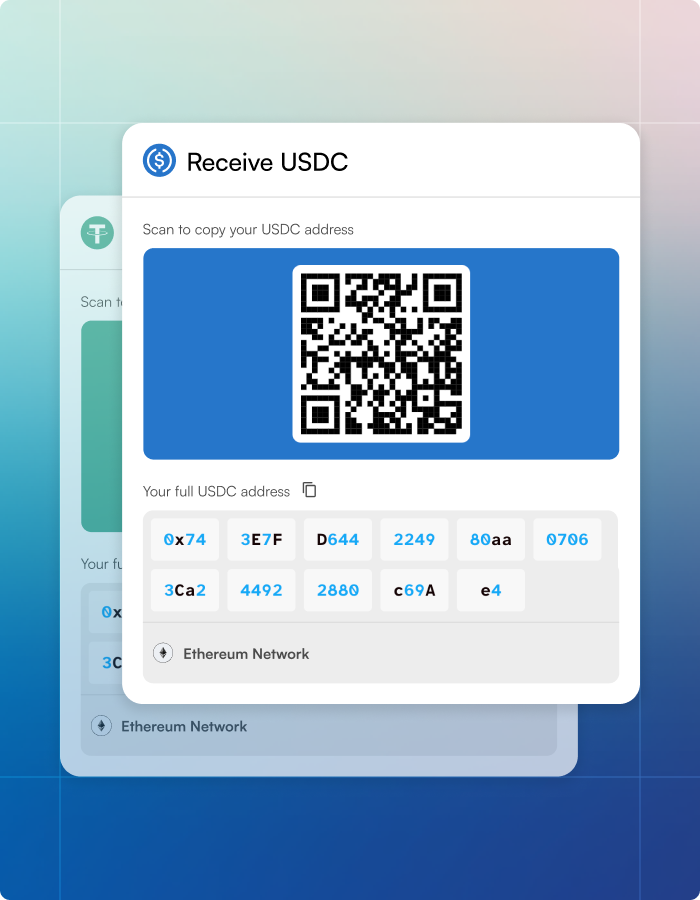
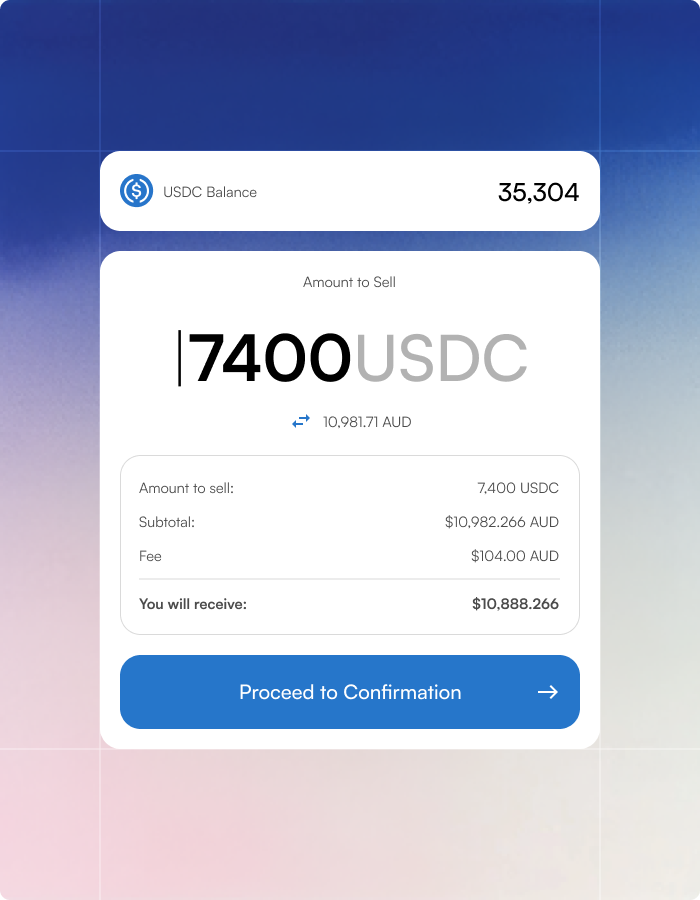
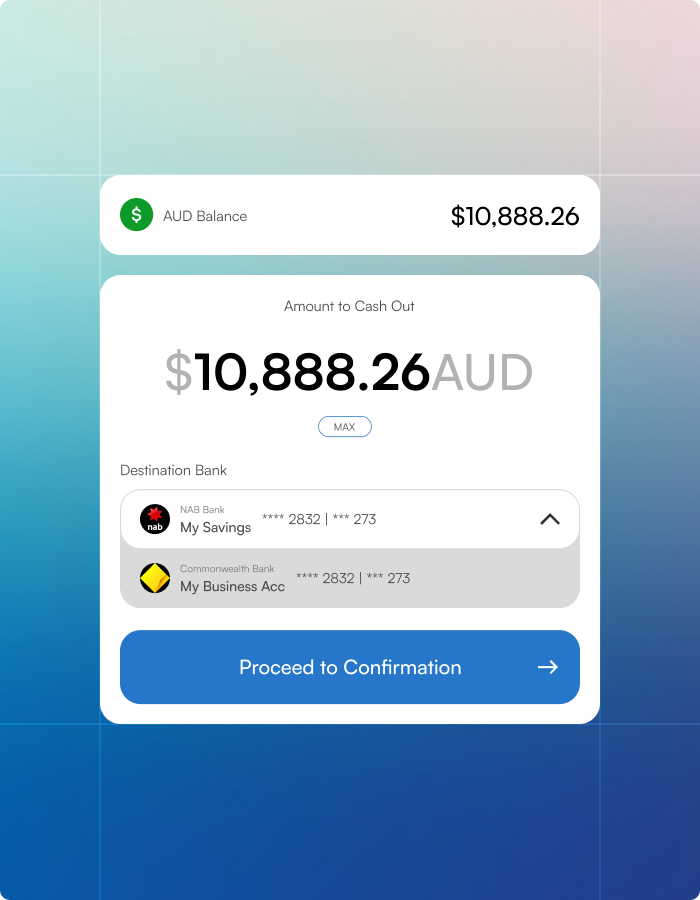
Get Paid from Anywhere
Accept stablecoin payments worldwide and settle directly to AUD faster, with lower fees and full control.